Why Awareness Matters
Nursing home neglect can be subtle or severe, gradual or sudden. Many families only realize there was a problem after significant harm has already occurred. By learning to recognize warning signs, you can intervene earlier, ask the right questions, and advocate effectively for your loved one.
Neglect is different from intentional abuse, though both cause harm. Neglect typically involves failure to provide necessary care—whether due to understaffing, inadequate training, or simply not prioritizing residents' needs. The result is the same: residents suffer from preventable conditions like bedsores, malnutrition, dehydration, and infections.
Physical Signs of Neglect
Physical signs are often the most visible indicators that something is wrong. Pay close attention to any changes in your loved one's physical condition, especially:
Bedsores (Pressure Ulcers)
Bedsores are one of the most common and preventable indicators of nursing home neglect. These painful wounds develop when patients are not repositioned regularly, which is a basic requirement of nursing care. If your loved one develops bedsores, it is a strong signal that they are not receiving adequate attention.
Be especially concerned if:
- New bedsores develop after admission to the facility
- Existing bedsores worsen rather than heal
- Bedsores are found in multiple locations
- Stage 3 or Stage 4 bedsores develop (indicating prolonged neglect)
- Staff did not inform you about bedsores promptly
Unexplained Weight Loss
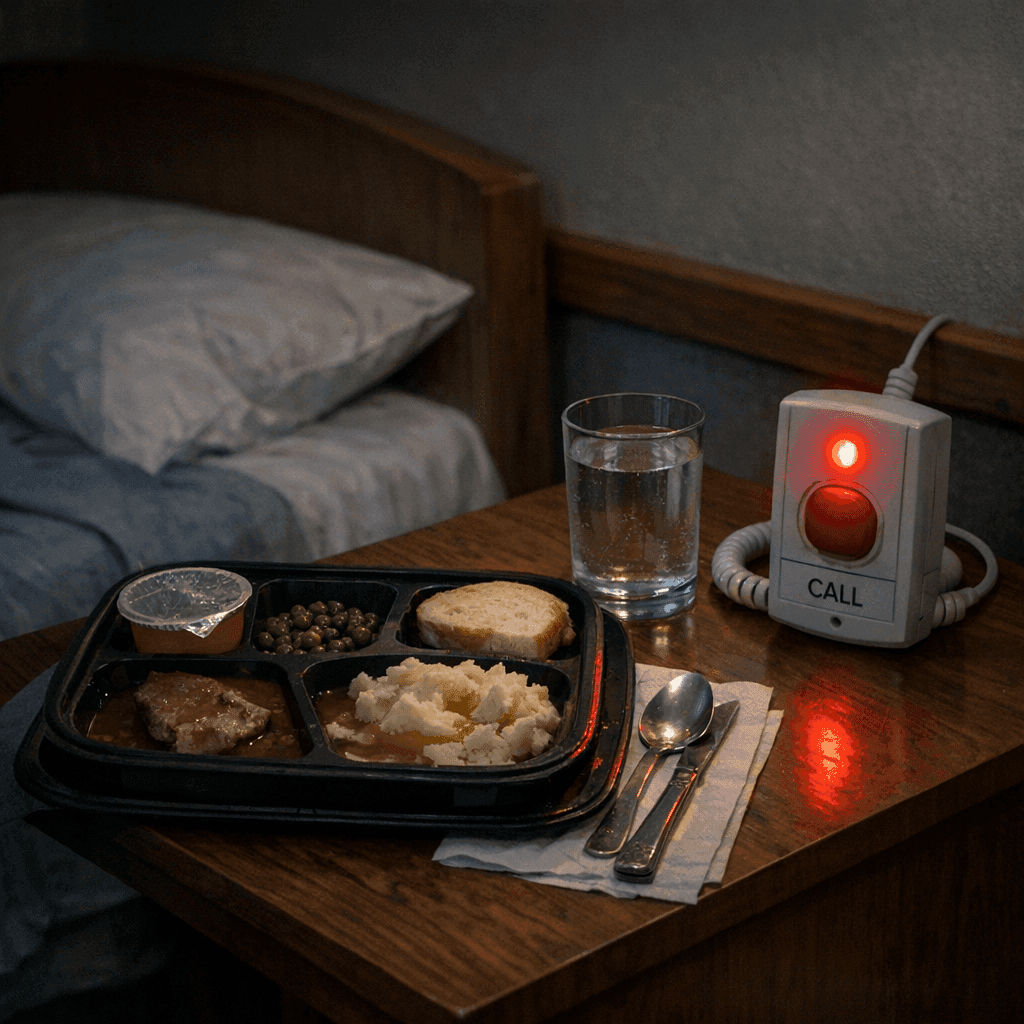
Significant weight loss often indicates that residents are not being properly fed or assisted with eating. Many nursing home residents need help eating due to physical limitations, dementia, or other conditions. When staff do not have time to assist, residents simply do not eat.
Warning signs include:
- Noticeable loss of weight or muscle mass
- Clothes or dentures becoming loose
- Complaints about hunger or not getting enough food
- Untouched food trays during visits
Dehydration
Dehydration is dangerous, especially for elderly residents, and can quickly become life-threatening. Signs of dehydration include:
- Dry, cracked lips and mouth
- Sunken eyes
- Dark or decreased urine output
- Confusion or increased lethargy
- Dry, flaky skin
If water and other fluids are not within reach, or if residents need assistance drinking that they are not receiving, dehydration is likely.
Poor Hygiene
Basic hygiene is a fundamental care requirement. Signs of neglect include:
- Body odor, unwashed hair, or dirty nails
- Unchanged clothing or soiled linens
- Unchanged or overfull incontinence products
- Oral hygiene neglect (bad breath, visible plaque, mouth sores)
- Resident left sitting in urine or feces
Unexplained Injuries
While some injuries may result from falls or accidents, unexplained or recurring injuries warrant investigation:
- Bruises, cuts, or welts without clear explanation
- Injuries in unusual locations
- Injuries in various stages of healing
- Broken bones or fractures
- Signs of restraint use (marks on wrists or ankles)
Medication Issues
Medication management is critical in nursing homes. Warning signs include:
- Missed doses or incorrect medications
- Over-sedation (resident unusually drowsy or unresponsive)
- Worsening of conditions that should be controlled by medication
- Resident unsure if they received their medications
Behavioral and Emotional Changes
Changes in your loved one's behavior or emotional state can be just as telling as physical signs. While some changes may be related to their medical condition, sudden or unexplained behavioral shifts should be taken seriously.
Withdrawal and Depression
It is normal for residents to experience some adjustment when moving to a nursing home. However, ongoing or worsening depression, withdrawal, or isolation may indicate problems with their care or environment:
- Loss of interest in activities they previously enjoyed
- Reluctance to speak or make eye contact
- Expressing feelings of hopelessness or despair
- Unusual tearfulness or sadness
- Increased confusion or disorientation
Fear or Anxiety
A resident who appears fearful—especially around certain staff members or at certain times—may be experiencing mistreatment:
- Fear of speaking openly when staff are present
- Flinching or cowering when approached
- Anxiety about care activities like bathing or toileting
- Requests to "not tell" staff about conversations
- Unexplained agitation when you prepare to leave
Changes in Communication
Watch for:
- Reluctance to discuss their care or living situation
- Evasive answers about how they are being treated
- Statements that seem rehearsed or coerced
- Complaints about care followed by quick retractions
- Mentions of staff being "too busy" or unresponsive
Facility and Environmental Red Flags
Beyond observing your loved one, pay attention to the facility itself. Environmental conditions often reveal systemic problems:
Staffing Concerns
Understaffing is a primary cause of nursing home neglect. Signs include:
- Long waits when residents use call buttons
- Difficulty finding staff during your visits
- Staff rushing through care activities
- High staff turnover (constantly seeing new faces)
- Residents left alone for extended periods
- Staff appearing overwhelmed, frustrated, or exhausted
Sanitation Issues
A clean environment is essential for resident health. Warning signs:
- Strong odors of urine, feces, or decay
- Visible dirt, spills, or stains in common areas
- Soiled linens or clothing not promptly changed
- Pests (flies, roaches, rodents)
- Overflowing trash or dirty bathrooms
Safety Hazards
Watch for conditions that could lead to falls or injuries:
- Wet floors without warning signs
- Cluttered hallways or rooms
- Broken or missing handrails
- Poor lighting
- Call buttons out of reach or not working
- Wheelchairs, walkers, or beds in disrepair
Management Responsiveness
How management responds to concerns is telling:
- Dismissive or defensive reactions to questions
- Reluctance to share information about care
- Failure to follow up on reported concerns
- Discouragement of frequent or unannounced visits
- Difficulty accessing medical records or care plans
Trust Your Instincts
You know your loved one better than anyone. If something feels wrong, it probably is. Common concerns that warrant investigation:
- "Something just seems different" about your loved one
- A sense that staff are hiding something
- Your loved one seems reluctant to speak freely
- The facility feels chaotic or disorganized
- Staff avoid answering questions directly
Do not dismiss your concerns as "overreacting." Your instincts as a family member are valuable—and early intervention can prevent serious harm.
What to Do If You Suspect Neglect
If you observe warning signs of neglect, take these steps:
- Document everything: Take photos, keep a written log of observations, save communications with staff. See our guide on how to document bedsores.
- Ask questions: Request to see the care plan and medical records. Ask about specific concerns.
- Visit at different times: Unannounced visits at various times of day give a more accurate picture of care quality.
- Report concerns: File complaints with the facility, state health department, and long-term care ombudsman. See our guide on reporting nursing home neglect.
- Seek medical evaluation: If your loved one has injuries, have them evaluated by an outside physician.
- Consult an attorney: If neglect has caused harm, you may have legal options to hold the facility accountable.
When to Seek Legal Help
Consider consulting with an attorney if:
- Your loved one developed bedsores or other preventable injuries
- Neglect led to infection, sepsis, or hospitalization
- You observed patterns of inadequate care
- The facility was unresponsive to your concerns
- Your loved one passed away and you suspect neglect contributed
At Traction Law Group, we help families understand their legal options when nursing home neglect causes harm. Learn more about nursing home lawsuits or contact us for a free consultation.
Additional Resources
For more information and guidance, explore these related resources:
- What To Do If Your Loved One Has Bedsores – Immediate steps when you discover pressure injuries
- How to Document Bedsores – Best practices for preserving evidence
- Reporting Nursing Home Neglect – How to file complaints with regulatory agencies
- Questions to Ask Nursing Homes About Bedsores – Evaluating a facility's prevention practices
- Bedsore Lawsuits – Understanding your legal options