Immediate Steps to Take
When you discover a bedsore on your loved one, taking prompt action can make a significant difference in their recovery and in preserving important information about how the injury occurred.
Step 1: Stay Calm and Assess the Situation
While it's natural to feel upset, staying calm allows you to think clearly and take effective action. Take a moment to observe:
- Where is the wound located on the body?
- How large is the wound? (Estimate in inches or centimeters)
- What does the wound look like? (Redness, open sore, depth visible)
- Are there signs of infection? (Odor, pus, spreading redness)
- Does your loved one appear to be in pain?
Step 2: Document What You See
Take photographs of the wound as soon as possible. If you can safely do so without causing distress to your loved one:
- Take clear, well-lit photos from multiple angles
- Include a ruler, coin, or other object for size reference
- Photograph the surrounding skin as well as the wound itself
- Note the date and time on each photo
- Continue taking photos over time to track changes
See our detailed documentation guide for more information on creating a thorough record.
Step 3: Alert Facility Staff Immediately
Notify nursing staff and request immediate assessment by a nurse or physician. Ask:
- When was this wound first discovered and documented?
- What stage is this pressure injury?
- What treatment is being provided?
- Why wasn't I notified when it was first discovered?
Write down the names of staff members you speak with and what they tell you. Note the date and time of these conversations.
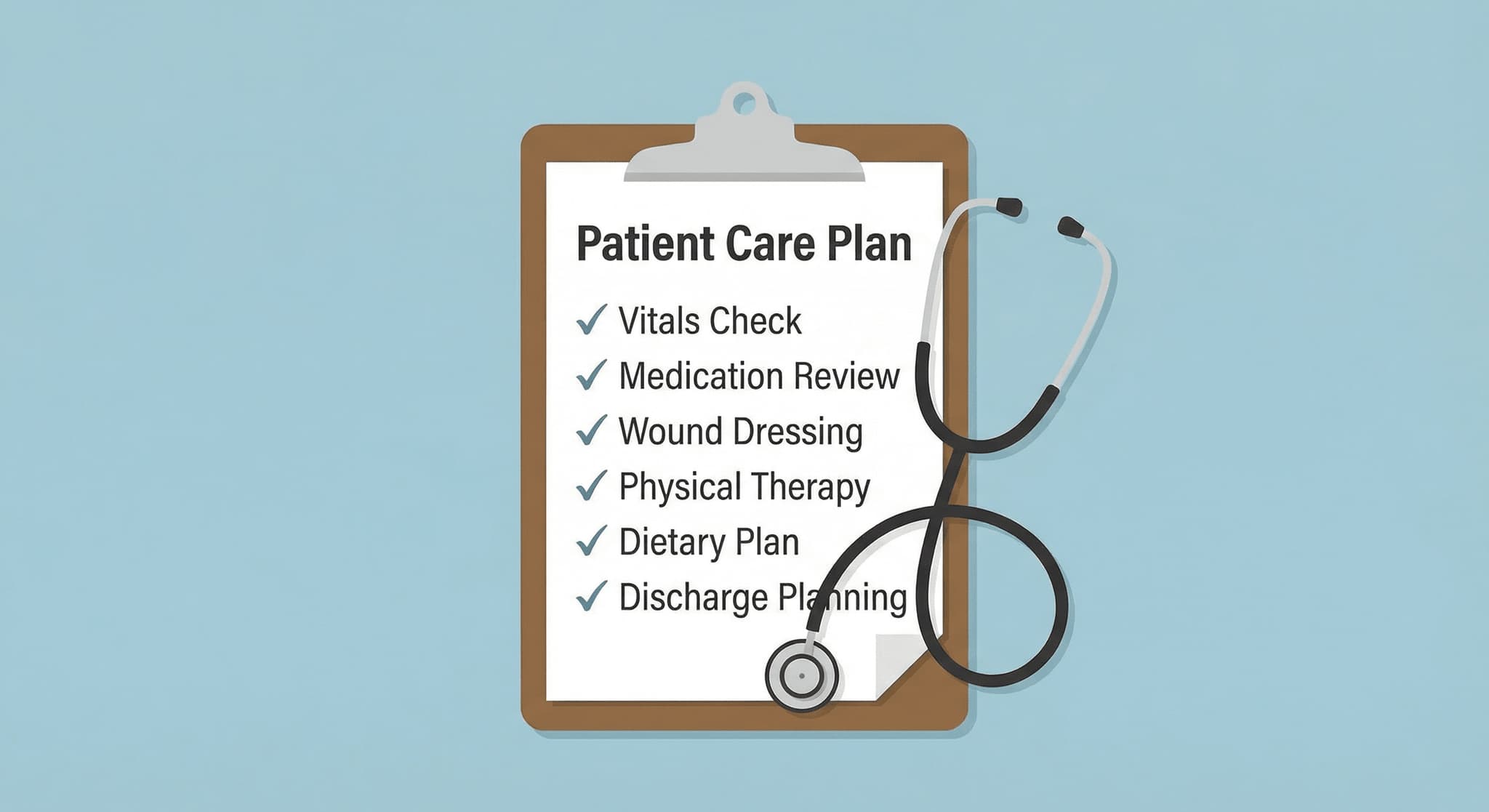
Step 4: Request the Care Plan
Ask to see your loved one's care plan and any wound care orders. This documentation should show:
- Risk assessment for pressure injuries
- Repositioning schedule and compliance
- Skin inspection protocols
- Wound care treatment orders
- Nutrition and hydration plans
Questions to Ask the Facility
You have the right to ask questions and receive honest answers about your loved one's care. Consider asking:
About the Bedsore
- When was this bedsore first noticed and documented?
- What stage is it currently classified as?
- Has it worsened since it was first discovered?
- Is there any sign of infection?
- What is the treatment plan?
About Prevention Efforts
- Was my loved one identified as at risk for pressure injuries?
- What prevention measures were in place?
- How often is repositioning supposed to occur?
- Are there records showing repositioning actually happened?
- What type of mattress or cushion is being used?
About Staffing and Training
- Have staff been trained on bedsore prevention and treatment?
- What is the nurse-to-patient ratio on different shifts?
- Who is responsible for wound care for my loved one?
About Going Forward
- What changes will be made to prevent further injury?
- How often will the wound be assessed and documented?
- How will I be updated on my loved one's condition?
- Should a wound care specialist be consulted?
When to Seek Immediate Medical Attention
Some situations require urgent medical care beyond what a nursing home or care facility can provide. Seek immediate medical attention if your loved one shows:
Signs of Infection
- Fever above 100.4°F (38°C) or chills
- Increased redness spreading from the wound
- Warmth and swelling around the wound
- Foul-smelling or greenish discharge
- Increased pain at the wound site
Signs of Sepsis (Medical Emergency)
- High fever or abnormally low temperature
- Confusion or altered mental status
- Rapid heart rate or breathing
- Low blood pressure
- Extreme pain or discomfort
- Clammy or discolored skin
Sepsis is a medical emergency. If you suspect sepsis, call 911 or go to the emergency room immediately. Learn more about bedsore-related sepsis.
Signs of Severe Wound Progression
- Visible bone, muscle, or tendon in the wound
- Black or darkened tissue in or around the wound
- Rapidly expanding wound size
- Deep wounds that don't respond to treatment
How to Report Your Concerns
If you believe your loved one has received inadequate care or has been neglected, you have several reporting options:
Talk to Facility Administration
Request a meeting with the Director of Nursing and/or Administrator. Put your concerns in writing and request a written response. Document who you spoke with and when.
Contact the Long-Term Care Ombudsman
Every state has a Long-Term Care Ombudsman program that advocates for nursing home residents. Ombudsmen can:
- Investigate complaints about care
- Advocate on behalf of residents
- Help resolve problems with the facility
- Provide information about residents' rights
Find your local ombudsman through the Administration for Community Living website.
File a Complaint with the State Health Department
Your state health department licenses and inspects nursing homes. You can file a complaint that may trigger an investigation. Complaints can often be filed online or by phone. Learn more about the complaint process.
Report to the Centers for Medicare & Medicaid Services
For facilities that receive Medicare or Medicaid funding (most nursing homes), you can also file a complaint with CMS. Serious violations can result in fines and other enforcement actions.
Protecting Your Loved One Going Forward
While addressing the immediate situation, consider steps to prevent further harm:
Increase Your Presence
- Visit at different times of day and on different days of the week
- Observe care routines and staff interactions
- Let staff know you are monitoring the situation closely
- Consider having family members or friends visit regularly
Monitor the Wound
- Ask to see the wound at each visit (if appropriate)
- Take photos to track changes over time
- Note whether dressings are clean and properly applied
- Ask about wound care at each visit
Review Care Records Regularly
- Request copies of care notes and wound assessments
- Look for documentation of repositioning
- Check that physician orders are being followed
- Note any gaps in documentation
Consider a Transfer
If you have serious concerns about the facility's ability to provide safe care, you may want to consider transferring your loved one to a different facility. Consult with their physician and other family members before making this decision.
Understanding Your Rights
As a family member of a nursing home resident, you have important rights:
- Right to information: You can request copies of medical records and care plans
- Right to participate: You can participate in care planning meetings and decisions
- Right to file complaints: You can report concerns without fear of retaliation against your loved one
- Right to quality care: Your loved one is entitled to care that meets federal and state standards
- Right to dignity: Your loved one should be treated with respect and receive adequate attention to their needs
When to Consult a Bedsore Attorney
You should consider consulting with a bedsore attorney if:
- Your loved one developed serious bedsores (Stage 3, Stage 4, or unstageable) while in care
- The bedsore became infected, leading to sepsis or other complications
- Your loved one required hospitalization due to the bedsore
- You believe the facility failed to take reasonable steps to prevent or treat the bedsore
- The facility is unresponsive to your concerns
- Your loved one suffered permanent injury or death due to bedsores
- You want help understanding your legal options
At Traction Law Group, we understand how difficult it is to see a loved one suffer from a preventable injury. We provide free consultations to help families understand what happened and whether they have a legal case. There is no fee unless we recover compensation for your family.
Taking Care of Yourself
Discovering that a loved one has been harmed can be emotionally overwhelming. As you advocate for their care, remember:
- It's not your fault. Healthcare facilities are responsible for preventing bedsores when patients are in their care.
- Seek support. Talk to other family members, friends, or a counselor about what you're experiencing.
- Take breaks when needed. Advocacy can be exhausting. Care for yourself so you can continue to help your loved one.
- Ask for help. You don't have to navigate this alone. Ombudsmen, patient advocates, and attorneys can provide guidance and support.