When nursing homes fail to provide adequate care, residents develop painful, preventable bedsores. We help families hold negligent facilities accountable and pursue justice for their loved ones.
Understanding Nursing Home Negligence
Nursing homes accept responsibility for some of society's most vulnerable individuals. When residents develop bedsores, it often signals a breakdown in care that should never occur. Bedsores, also called pressure ulcers or pressure injuries, are largely preventable wounds that develop when residents are not properly repositioned, monitored, and cared for.
Families trust nursing homes to provide the care their loved ones need. When facilities fail to meet this trust, residents suffer painful, debilitating injuries that can lead to serious complications, including infection, sepsis, and death. Holding negligent facilities accountable protects not only your family but also other residents who may be at risk.
What Are the Signs of Nursing Home Neglect?
Bedsores rarely develop when proper care is provided. If your loved one has developed pressure injuries, it may indicate broader patterns of neglect. Watch for these warning signs:
- Unexplained wounds or bruises, especially in early or advanced stages
- Poor personal hygiene (unwashed hair, dirty nails, body odor)
- Soiled or unchanged bedding during visits
- Unexplained weight loss or signs of dehydration
- Your loved one is always in the same position when you visit
- Residents left in wheelchairs or beds for extended periods
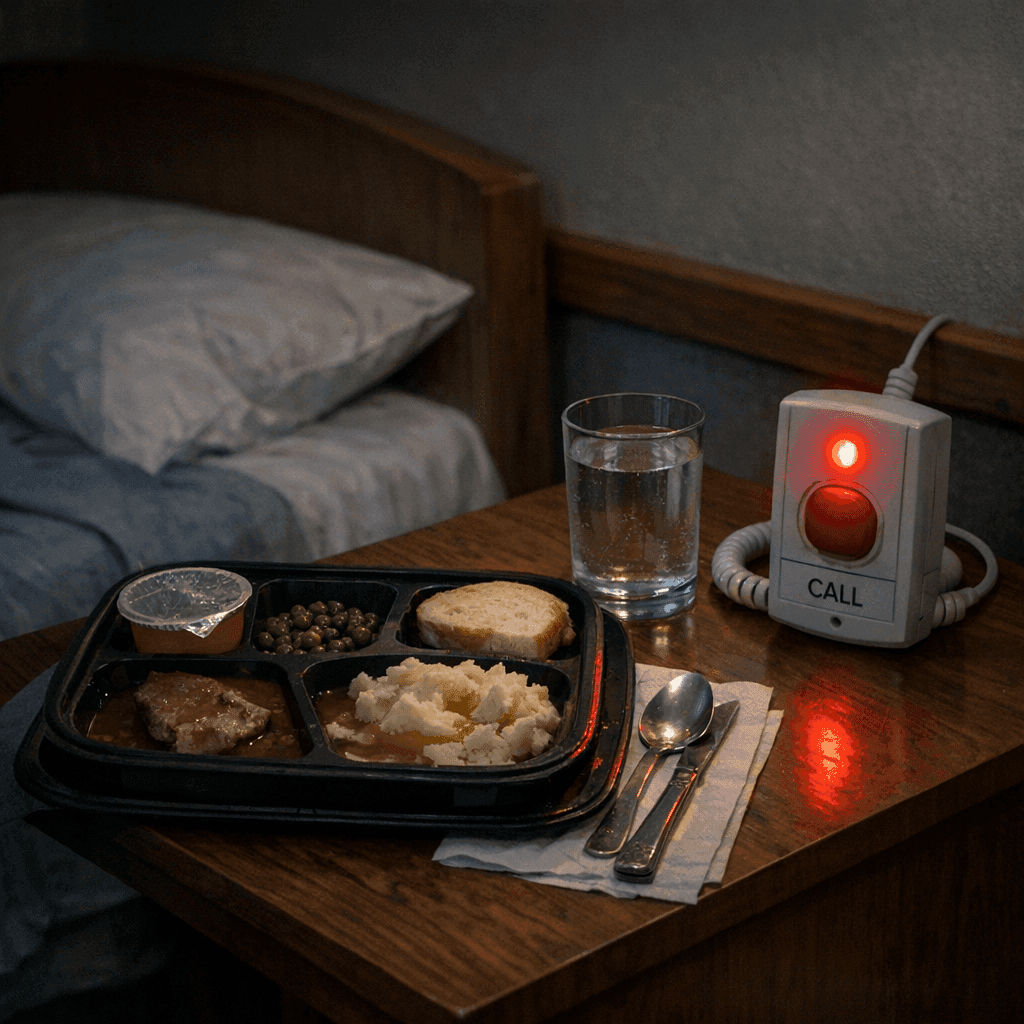
- Understaffing visible during visits (call lights unanswered, harried staff)
- Reluctance by staff to show you care records or incident reports
- Your family member appears withdrawn, fearful, or anxious
If you observe any of these signs, document what you see with photographs and written notes. This evidence can be valuable in any legal action.
What Care Must Nursing Homes Provide?
Nursing homes are required by federal and state regulations to provide care that prevents pressure injuries. The standard of care includes:
- Risk Assessment: Conducting skin assessments upon admission and regularly thereafter to identify residents at risk
- Repositioning: Turning and repositioning immobile residents at least every two hours, or more frequently as needed
- Pressure Relief: Providing appropriate mattresses, cushions, and support surfaces to reduce pressure on vulnerable areas
- Nutrition and Hydration: Ensuring residents receive adequate nutrition and fluids to maintain skin health
- Skin Care: Keeping skin clean and dry, managing incontinence promptly, and applying protective barriers when needed
- Documentation: Maintaining accurate records of skin condition, turning schedules, and any wounds that develop
When nursing homes fail to follow these established protocols, and residents develop bedsores as a result, the facility may be liable for negligence.
What Causes Bedsores in Nursing Homes?
Most nursing home bedsores can be traced to systemic failures in care delivery. Common causes include:
Understaffing
Many nursing homes operate with inadequate staffing levels to maximize profits. When too few staff members are responsible for too many residents, essential care tasks like repositioning and skin checks are skipped or delayed. Federal studies have repeatedly linked low staffing levels to higher rates of bedsores and other quality problems.
Inadequate Training
Staff members may not receive proper training on pressure injury prevention, risk identification, or wound care. Without this knowledge, they may fail to recognize early warning signs or implement prevention protocols correctly.
High Staff Turnover
Nursing homes with high employee turnover struggle to maintain consistent care. New staff may not be familiar with individual resident needs, and important information about care requirements may be lost during transitions.
Corporate Cost-Cutting
Many nursing homes are owned by large corporations focused on profit margins. Cost-cutting measures that reduce staffing, limit supplies, or defer equipment maintenance directly impact resident care and increase the risk of bedsores.
Poor Communication
Residents suffer the consequences when staff members fail to communicate about resident conditions during shift changes. The same happens when nurses or administrators ignore concerns raised by aides.
What to Do If You Suspect Neglect
If you believe your loved one has developed bedsores due to nursing home neglect, take these steps:
- Document Everything: Take photographs of any visible wounds. Write down dates, times, and details of what you observed. Note which staff members were present.
- Request Medical Records: You have the right to obtain copies of your loved one's medical records, including care plans, turning schedules, and wound treatment records.
- Report to the Facility: Put your concerns in writing to the facility administrator. Keep a copy for your records.
- Contact the Ombudsman: Every state has a Long-Term Care Ombudsman program that investigates complaints about nursing home care. They can advocate for your loved one.
- Contact Us: We can evaluate your situation, advise you on your legal rights, and help you understand next steps.
What Legal Options Do Families Have?
Families whose loved ones have suffered bedsores due to nursing home negligence may pursue legal action to recover compensation and hold the facility accountable. Potential claims include:
- Negligence: When a nursing home fails to meet the standard of care, and that failure causes harm, the facility may be liable for negligence.
- Medical Malpractice: If licensed healthcare professionals at the facility failed to properly diagnose, treat, or prevent bedsores, they may be liable for malpractice.
- Corporate Liability: Corporate owners who set inadequate staffing levels or cut corners on care may bear responsibility alongside the individual facility.
- Wrongful Death: When bedsores lead to fatal complications such as sepsis, families may pursue wrongful death claims.
Compensation in nursing home bedsore cases may include medical expenses, pain and suffering, emotional distress, and in wrongful death cases, funeral costs and loss of companionship.
How We Help Families
At Traction Law Group, we review claims from families across the country whose loved ones have suffered from nursing home bedsores. Our approach includes:
- Free Case Evaluation: We review your situation at no cost to determine if you have a viable claim.
- Investigation: We obtain facility records, staffing data, state inspection reports, and other evidence to build your case.
- Medical Analysis: We work with healthcare professionals to understand how the standard of care was breached.
- No Upfront Costs: We work on contingency—you pay nothing unless we recover compensation for you.
- Compassionate Support: We understand the emotional difficulty of these cases and provide responsive, caring representation throughout the process.
If your family member is suffering in a nursing home, you do not have to accept it as inevitable. Contact us to learn how we can help pursue accountability and justice.